New olive oil at the table: five simple dishes to bring out its best
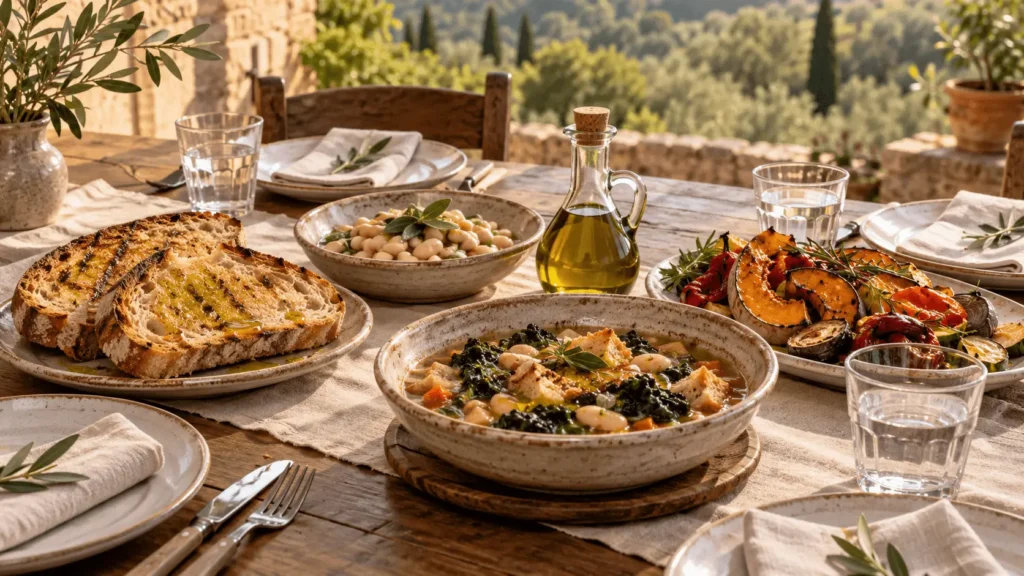
After the olive harvest comes one of the pleasures of autumn: tasting new olive oil. You don’t need elaborate recipes to appreciate it. Warm bread, legumes and seasonal vegetables offer a simple base on which to discover its aromas and nuances.
For lovers of Tuscan cuisine looking for olive oil in Florence, the table is the most natural place to start. Here are five easy dishes for enjoying new olive oil, with a few small tips to let its character shine.
1. Tuscan fettunta: warm bread and new olive oil
Tuscan fettunta is the first taste to treat yourself to. All you need is Tuscan bread, new olive oil and a pinch of salt. Garlic is optional: if you want to focus on the taste of the oil, try the first slice without it.
How to make it. Slice the bread and toast it on both sides. If you like, lightly rub the surface with a clove of garlic. Pour on the oil while the bread is still warm and finish with a little salt.
To bring out the oil. Dress it just before serving: the contrast between the crisp crust, the soft crumb and the oil is what makes such an essential preparation special.
2. Cannellini beans with raw olive oil
Soft and delicate, cannellini beans with new olive oil are a classic pairing of the Tuscan table. You can serve them as a side dish or with toasted bread for a simple lunch.
How to make them. Gently warm the cooked cannellini beans with a little of their cooking water. Drain them just enough to keep them soft, then serve them warm with salt, new olive oil and, if you like, a grind of pepper.
To bring out the oil. Add it on the plate and taste before adding any other flavourings. The delicate taste of the beans lets you pick up the different nuances of the oil.
3. Cream of pumpkin soup with new olive oil
Among recipes with new olive oil, a cream of pumpkin soup is an easy choice for autumn days. The sweetness of the pumpkin lends itself to the green, bitter or peppery notes the oil can express.
How to make it. Cook diced pumpkin with a little onion and vegetable stock, adding the stock gradually. When it is tender, blend it into a smooth cream and season with salt. Ladle it into bowls and add a drizzle of new olive oil before serving.
To bring out the oil. Keep the seasoning simple and serve the soup with a few croutons. Taste a spoonful before and after adding the oil to discover how the dish changes.
4. Cavolo nero on toasted bread
Cavolo nero with new olive oil instantly recalls the flavours of Tuscan cooking. Served on bread, it becomes a rustic starter or a light supper, to be completed with a serving of legumes.
How to make it. Wash the leaves, remove the toughest part of the stem and boil them until tender. Drain them, setting aside a little of the cooking water. Arrange them on toasted bread, softened if needed with a spoonful of the same water, and season with salt and new olive oil.
To bring out the oil. Pour it over the cavolo nero while it is still warm. Start with a small amount and add more to taste, looking for a balance with the bold flavour of the leaves.
5. Pinzimonio of seasonal vegetables
Pinzimonio is an immediate way to enjoy new olive oil raw. Fennel, carrots, celery and radishes bring different textures and flavours to the table, to be tried one at a time.
How to make it. Wash and dry the vegetables, then cut them into sticks or wedges. Prepare a small bowl of new olive oil with a little salt, adding pepper if you wish. Dip the vegetables just before eating them.
To bring out the oil. For the first tasting, leave out vinegar and lemon: you can add them later, once you have discovered how the oil pairs with each vegetable.
How to choose a pairing for new olive oil
Every oil has its own character, which can also change from one harvest to the next. Try it first on a small piece of bread, then choose the dish: delicate ingredients let you recognise its nuances, while bolder vegetables and soups invite you to experiment.
In these five dishes the oil is added at the end, a simple gesture that lets you appreciate its aromas as you taste. Quantity matters too: it is best to start with a little and add more after tasting the dish.
Olive oil in Florence: the taste of simplicity
The bond between olive oil in Florence and local cooking also lives on in everyday recipes. A fettunta, a plate of cannellini beans or cavolo nero on bread reflect a way of cooking in which just a few ingredients find their balance.
Our advice from the Villa di Canonica blog is to start with one of these five dishes and take a moment to savour it. New olive oil can become the common thread of an entire autumn menu, from starters to vegetables.